Promotion and dual-pricing total check
Compare approved fictional totals with the observed checkout before advertising a combination.
No signup. Enter reference codes, add records and download a CSV. Entries stay in the browser tab. Filled fields do not establish completion, approval or compliance.
| Offer version and eligible services | Approved price basis and combination rule | Expected complete cash and card totals | Observed checkout and receipt result | Unresolved difference | Reviewer and resolution reference |
|---|---|---|---|---|---|
| Fictional tint offer P-4 | Approved USD 50 off either total, no extra cash deduction | USD 550 cash, USD 570 card | Cash display USD 530 | USD 20 extra deduction | Supervisor, collection held for correction |
- The starting row is fictional and is not a recommended pricing formula.
- Obtain the actual provider-approved pricing, promotion and tax instructions.
- Record expected and observed totals separately. Unknown is not approval.
- This manual worksheet does not apply discounts or connect to a payment provider.
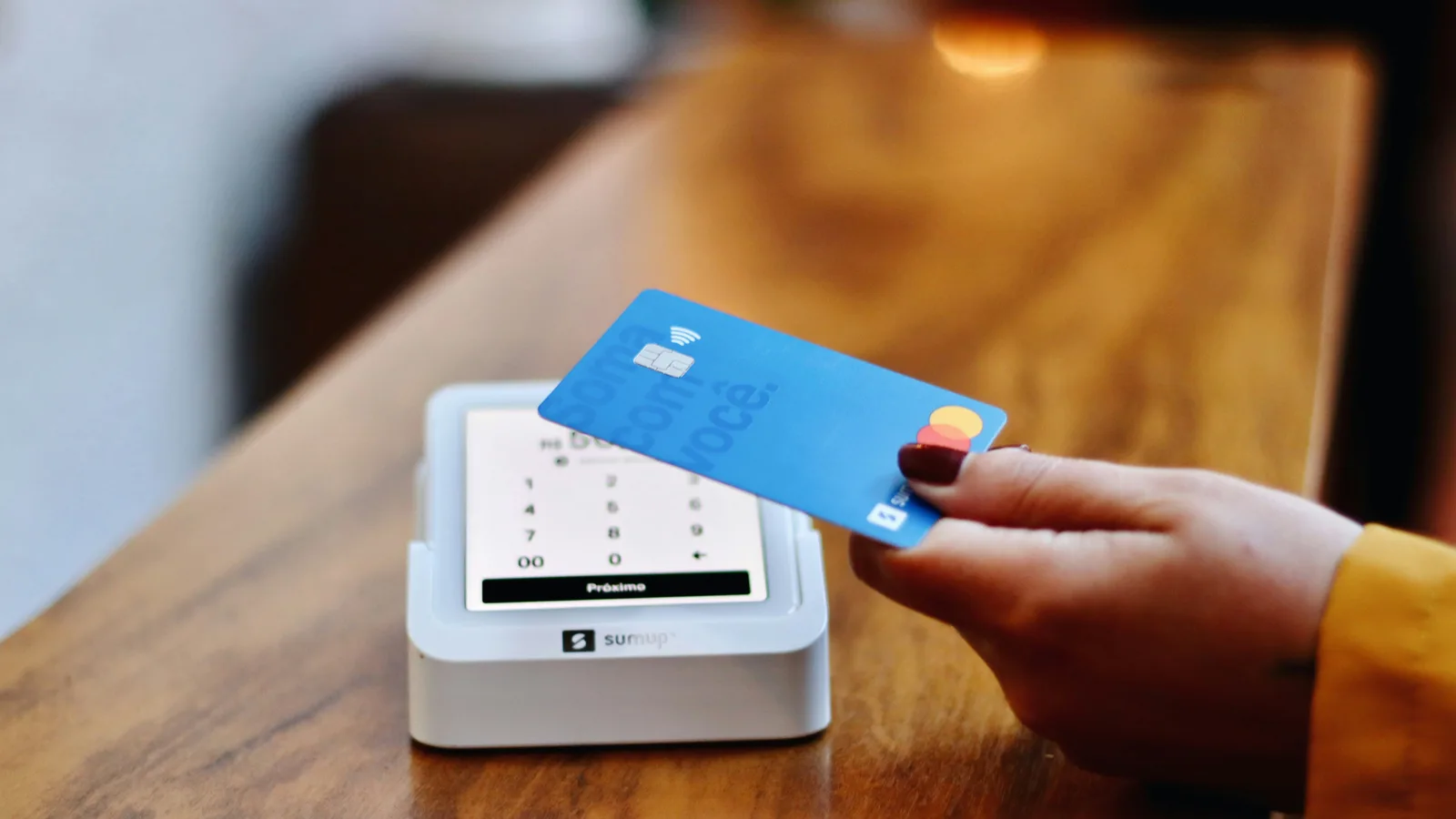
A tint deal offers USD 50 off an eligible package. But what if the customer picks the displayed cash price at pickup and asks whether the deal still applies? Have an approved answer before you advertise. Guessing at checkout can mean charging the wrong amount or promising a combination of the deal and cash price that the business never intended. Check promotional discounts against the actual pricing program. Don’t treat every discount as the same adjustment.
Use with this guide
pricing-program comparison
Continue with pricing-program comparison.
online payments workflow
Continue with online payments workflow.
BlueFinch pricing terms
Continue with BlueFinch pricing terms.
Set a repair-shop loyalty reward without discounting your labor away
A redeemed reward has a cost even when the customer already planned to return. Check the credit against the contribution left on the job.
Define the offer before choosing the button
Spell out eligible services, offer dates, the fixed or percentage amount, the minimum purchase, and which offers can be combined. Say which approved price basis applies. A percentage needs a clear base. A fixed amount needs an eligible item or transaction. If the wording doesn’t say whether offers combine, get an approved clarification before publishing. Don’t make staff invent restrictions when the customer arrives.
Stripe documents percentage and fixed-amount discounts, plus product restrictions and redemption limits, for its own Checkout product. It also says Checkout Sessions support up to one coupon or promotion code. That’s what this provider offers, not a BlueFinch feature list or a universal stacking rule. Your checkout may have different controls, or need an approved invoicing-system adjustment before collection.
Sources for this section: Stripe: Checkout discount types and promotion restrictions
Keep the pricing program separate from the promotion
Use the pricing-program comparison when confirming your account’s arrangement with the provider. A cash discount already built into the approved cash price doesn’t automatically count as a second promotional deduction. Staff need to tell displayed payment-method prices apart from seasonal coupons, service adjustments, and loyalty rewards. The names alone don’t show the calculation order or whether they combine.
Visa draws a clear line between properly displayed cash discounts and surcharges added to a lower displayed price. Your promotion has to follow the account’s approved presentation and treatment. Ask your provider and appropriate tax adviser to approve the sequence, taxable amounts, and final totals. This worksheet doesn’t set one legal calculation order, card-price increase, or tax rule for every location.
Sources for this section: Visa: surcharging and cash-discount distinctions
Test a fictional approved order
Say a fictional tint shop’s approved test sheet shows complete pre-promotion totals of USD 600 cash and USD 620 card. For this exercise, the approved offer takes a fixed USD 50 off either applicable total. That makes the expected collection USD 550 cash or USD 570 card. These teaching totals assume the reviewer has already handled applicable tax treatment. They’re not recommended prices or a surcharge formula.
The customer chose cash, so an employee takes another USD 20 off the USD 550 cash result. That leaves a USD 530 total, USD 20 below the approved cash total. The cash price already accounted for the approved method choice. Stop and investigate the extra deduction. Don’t quietly change the offer. If the approved offer uses a different basis, use that approved expected result instead.
Sources for this section: Visa: surcharging and cash-discount distinctions
Compare the published path with the expected totals
Test the online payments workflow with the supported process. Check the eligible service, chosen method, promotion amount, total shown, and receipt reference. BlueFinch's published payment-page features don’t promise a coupon engine, automatic promotion stacking, or tax calculation. Confirm where the adjustment fits in your enabled setup before telling customers to enter a code.
Test an eligible order, an excluded service, and an expired offer separately. Write down what actually happened, not just whether a promotion field appeared. A discount in a draft estimate might not make it into the final payment request. Keep the approved estimate and collection aligned, and sort out any mismatch before asking the customer to pay. Don't use unapproved live charges instead of the provider's test process.
Sources for this section: Stripe: Checkout discount types and promotion restrictions
Leave a usable record for the next shift
The worksheet records the offer version, eligibility rule, approved basis, expected totals, observed result, and responsible reviewer. Use fictional orders and internal references, not private customer or card details. Keep actual offer and transaction records in approved business storage. IRS guidance includes invoices and receipts as documents supporting business transactions. That helps a later reviewer explain why an amount was collected.
Check the BlueFinch pricing terms separately from the promotion. A customer discount cuts the business’s collected revenue under the approved arrangement. But it doesn’t wipe out monthly account costs, debit charges, or other written expenses. Then give staff the current offer version and remove expired instructions from new use. That leaves you with a repeatable price check, and every unexpected discount is assigned for review before collection.
Sources for this section: IRS: supporting business records
Primary sources
BlueFinch last reviewed these sources on October 23, 2026. Check the linked sources for current requirements and product details.
- Stripe: Checkout discount types and promotion restrictions
- Visa: surcharging and cash-discount distinctions
- IRS: supporting business records
Use this page for general business information. It is not legal, tax, or accounting advice.