Machining capability evidence comparison
Build a public capability comparison without inferring certifications, capacity or tolerances from photographs. Includes an evidence worksheet.
No signup. Enter reference codes, add records and download a CSV. Entries stay in the browser tab. Filled fields do not establish completion, approval or compliance.
| Buyer requirement | Your verified capability | Public competitor claim | Evidence date | Unknown condition | Action on your own page |
|---|---|---|---|---|---|
| Inspection documentation | Internal capability record | Public statement only | Example date | Scope not verified | Clarify available documentation |
- Starting values are fictional examples, not customer records.
- Keep confidential evidence in your approved business systems. Record only a reference here.
- Complete each row from observed evidence. A completed worksheet does not certify legal compliance or provider compatibility.
- Export your CSV to approved storage before leaving this page.
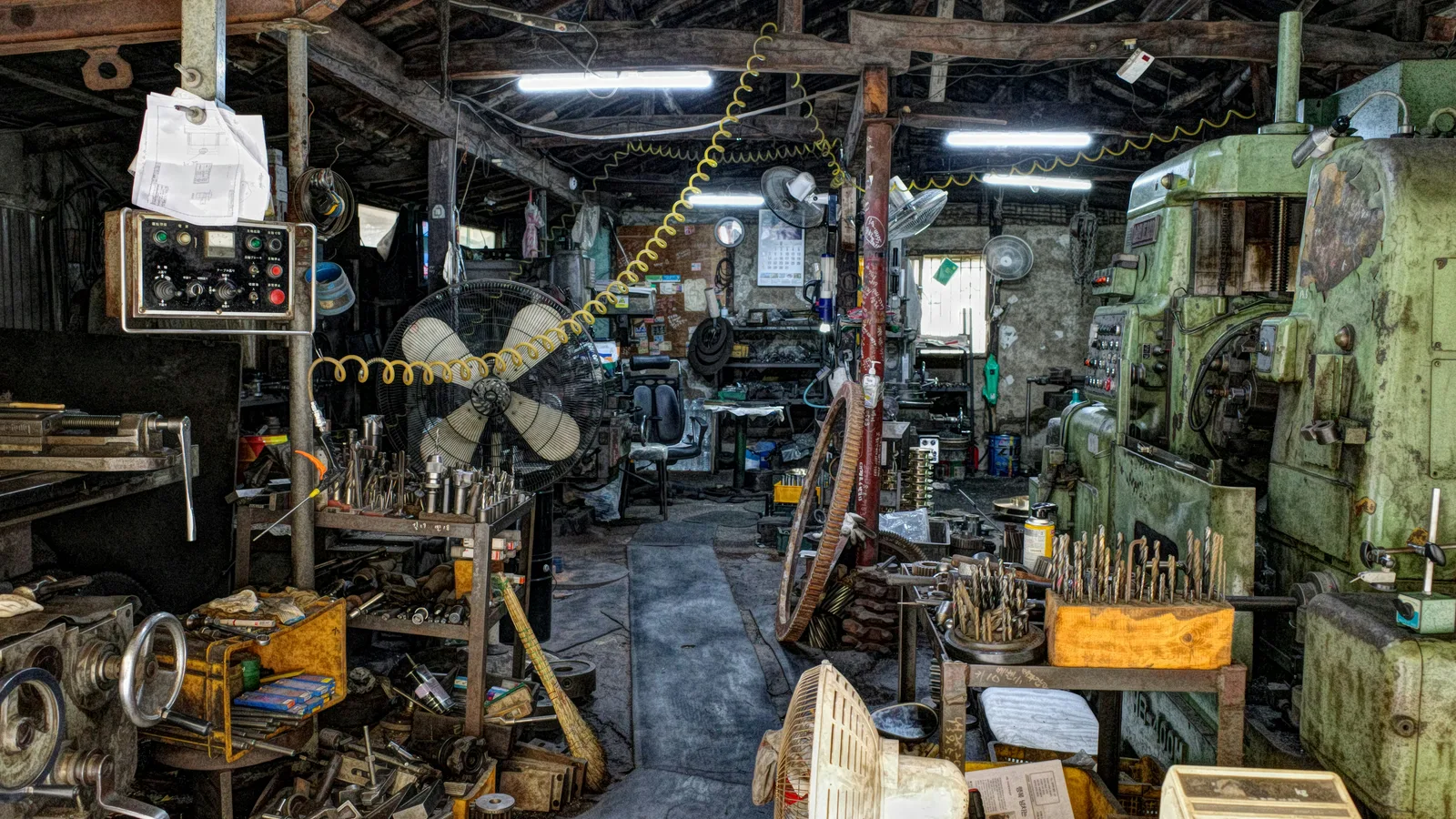
A buyer seeking machining services must determine whether a supplier suits the work, rather than judging by impressive-looking equipment alone. Competitor research should focus on the requirements customers evaluate: processes, materials, inspection documentation and the kind of work accepted. Do not infer a tolerance, certification or available capacity from a photograph of a machine.
Use with this guide
competitive intelligence tools
Continue with competitive intelligence tools.
business website tools
Continue with business website tools.
Show machining capabilities on a website without unsupported claims
A machine photo does not prove every capability advertised beside it. Keep each public claim connected to what your shop supports.
Start with the buyer's requirement
Pick a clear inquiry type, like a short production run or repair part. The SBA recommends sorting competitive analysis by service and market segment. A shop with a different production model can offer useful background, but it may not be a direct alternative for the customer you want to serve.
Use competitive intelligence tools to organize relevant public businesses. BlueFinch's available evidence does not include competitors' private schedules, quality records or accounting. A saved listing doesn’t qualify a supplier. Keep that straight when an owner asks whether a nearby company is “winning all the aerospace work” based on a public webpage.
Sources for this section: SBA: market research and competitive analysis · BlueFinch: competitive intelligence
Separate a published claim from independent verification
Write down exactly what the competitor claims and where the claim appears. A certification claim needs its real scope and current evidence before anyone treats it as verified. Don’t repeat it on your site or suggest your shop has the same credential. Your public page should stick to capabilities your business can back up.
In an illustrative example, a buyer needs inspection paperwork. Three competitor pages may describe that differently: one names a document type, one says “quality assured,” and one says nothing. That tells you what their public pages explain, not what they can do. The silent shop may still offer it, and the broad claim may not meet the buyer’s requirement.
Find gaps in your own buying information
Ask the estimator what missing details keep slowing inquiries down. Maybe the page needs to spell out accepted drawing formats, what information a quote requires, or how you review material specs. Those are useful fixes, and you don’t need to copy a competitor’s technical promises. Your actual process is the authority.
The business website tools let eligible merchants edit service information and check drafts before publication. Have the technical owner approve any capability language. Label examples clearly, and don’t use customer drawings or part photos without the required permission. Confidential project details aren’t marketing material just because they make an article more convincing.
Use a source-and-unknown worksheet
Document the buyer's requirement, the capability you have verified, the competitor's public statement, the date observed, any unresolved conditions, and the change you propose for your page. Retain references to evidence rather than uploading private drawings. Leave any unanswered field marked as unknown. If you treat missing public information as a weakness, you could underestimate a strong competitor or mislead a prospective buyer.
Don’t turn a comparison into a public attack page. A concise explanation of your own quoting process, review steps and contact route usually serves the buyer better than speculative claims about another shop. If you publish a comparison, verify every material statement and keep its scope fair and current.
Check capability pages after equipment, staffing or certification changes within your own business. A page can be accurate today and misleading tomorrow if the responsible specialist leaves or the approved scope shifts. Assign an internal technical reviewer, and set a trigger for that review. Keep the website tied to work you can support, not a claim copied forward forever.
Track whether the revised information improves the inquiries you get. Look for fewer missing specs, clearer scope and less estimator time spent chasing basic details. Those are your own observable records. Search visibility and quote volume are separate measures, and neither proves the work is profitable. A capability comparison matters when it helps the right buyer see what your shop can actually deliver.
Primary sources
BlueFinch last reviewed these sources on October 23, 2026. Check the linked sources for current requirements and product details.
Use this page for general business information. It is not legal, tax, or accounting advice.