Nonconfidential machining inquiry intake worksheet
Route initial scope questions before a controlled technical-document exchange.
No signup. Enter reference codes, add records and download a CSV. Entries stay in the browser tab. Filled fields do not establish completion, approval or compliance.
| Inquiry reference | Nonconfidential process category | Broad material family | Approximate quantity range | Requested timing question | Controlled review route | Estimator owner role |
|---|---|---|---|---|---|---|
| Inquiry-example-10 | Machining review requested | Aluminum, fictional example | 100 to 200, illustrative | Delivery feasibility question | Estimator-role |
- Starting records are fictional examples, not merchant evidence.
- Keep private documents and actual contacts in your approved business system. Use internal reference codes here.
- Missing required fields indicate an unresolved record. Filled fields do not prove authorization, completion, compatibility or compliance.
- Export to approved business storage. Browser edits are cleared on reload.
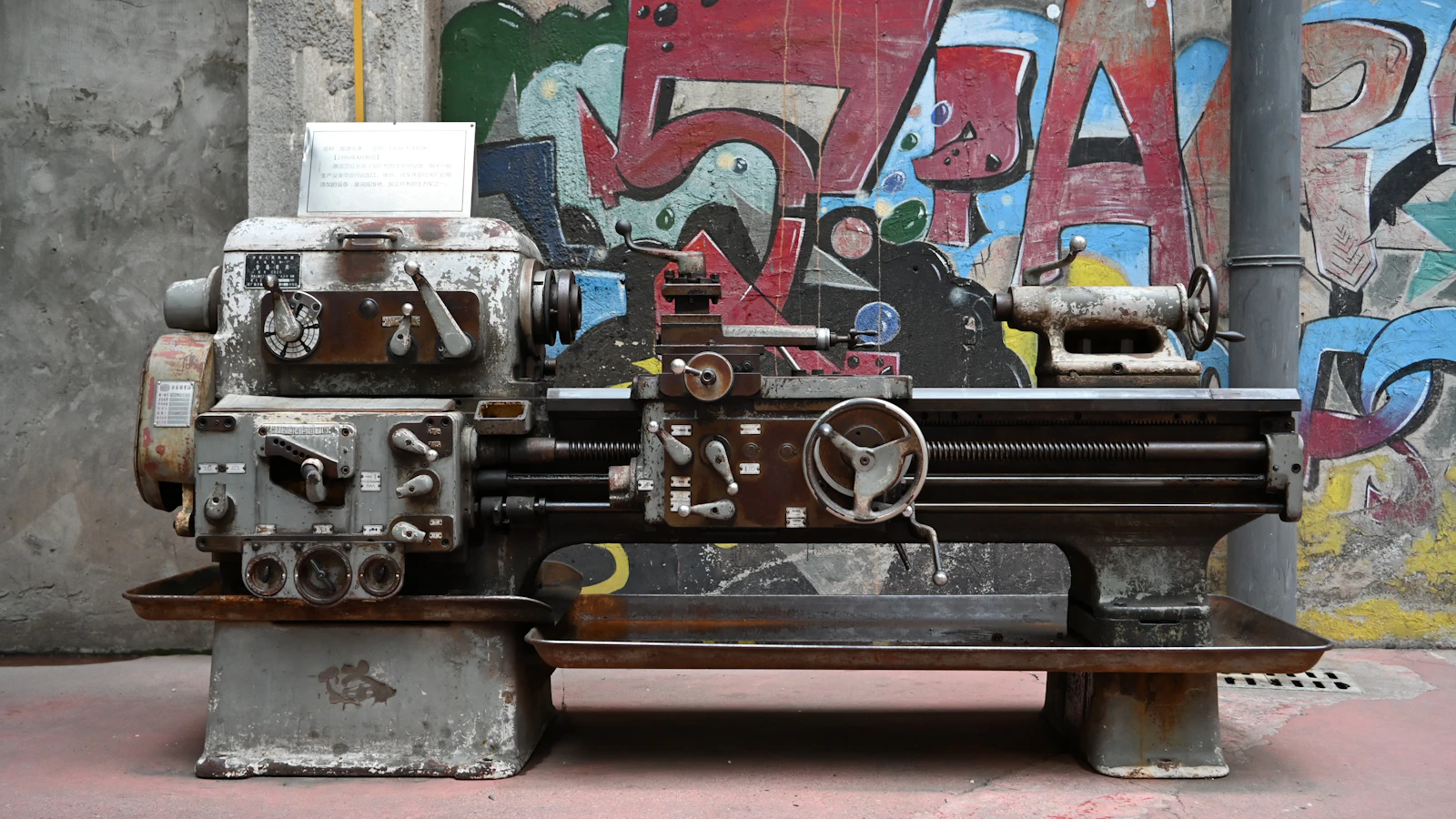
Your first machining inquiry form should help route a request without asking visitors to publish confidential drawings. Collect a nonconfidential description of the requested process, quantity range and timing question. Explain the controlled next step for detailed documents. Separate an initial capability discussion from an accepted quote or production commitment, and avoid claiming certifications or tolerances the shop has not verified.
Use with this guide
verified machining capabilities guide
The verified machining capabilities guide keeps public claims tied to supported shop evidence.
RFQ stage-aging register
The RFQ stage-aging register tracks the next office decision after the controlled intake.
Browse the complete machine shop guides and worksheets.
Ask the questions needed for initial routing
Identify which facts your estimator needs before arranging a detailed review. A broad process category, material family and approximate quantity might help choose the appropriate contact. Ask the customer to omit proprietary designs and restricted details from a public inquiry. The office should decide whether a controlled document exchange is appropriate before requesting the technical package.
Keep each public capability statement connected to verified shop evidence. A machine model or stock photograph does not prove a particular tolerance, certification or approved industry qualification. Do not copy a competitor’s capabilities into the form merely to attract more searches. Record the actual review owner for a request outside the shop’s established scope instead of issuing a general promise to machine anything. The verified machining capabilities guide keeps public claims tied to supported shop evidence.
Set a controlled next step for documents
Finally, assign the appropriate role within the shop to evaluate the request for confidentiality, customer requirements and document sharing. FTC guidelines for security recommend that sensitive information be kept only as long as is needed and that access be limited to that which is required to accomplish business. Thus, a simple web inquiry should not become some uncontrolled data dump of all customer drawings. This article does not address issues of export control and is not intended to be a general form for a confidentiality agreement.
The intake worksheet records the inquiry reference, nonconfidential process category, broad material family, quantity range, requested timing question, controlled review route and estimator owner. Use fictional information in the public tool. Do not enter customer contacts, proprietary dimensions, credentials or drawing contents. The sheet helps route an inquiry but does not transmit a lead or approve technical feasibility.
Use a fictional request to find the next question
Consider a fictional inquiry requesting a batch of aluminum components in a quantity range of 100 to 200. The visitor asks whether the shop will review a controlled technical package for a proposed delivery period. Those facts support initial routing, not a binding price or promised completion date. The estimator still needs the accepted scope and required professional review.
If the customer, in error, provides information in a public inquiry that is considered to be proprietary or in the nature of a regulated application, that information must be handled in accordance with the shop’s established procedure for such information. Information provided in a public inquiry must not be copied to another public worksheet or other public document to facilitate handling of the inquiry. Only an internal reference and the action to be taken must be recorded in a public worksheet.
Connect the intake to an owned RFQ decision
After the controlled exchange is approved, give the estimator the current request reference and document version. Keep missing scope, internal estimating and buyer decision as separate CRM stages. A submitted form is not a completed quote or won order. Record the permitted contact route and preferences without treating one inquiry as unlimited consent for promotional messages.
Review incomplete inquiries to see which initial question helped the office route work and which merely added friction. Use actual records before claiming a form increased conversion or shortened quoting time. The practical result is a clear initial conversation, supported public capabilities and a controlled route for detailed information. Your owner should see the next estimator task without exposing customer designs or inventing shop qualifications. The RFQ stage-aging register tracks the next office decision after the controlled intake.
Primary sources
BlueFinch last reviewed these sources on October 4, 2026. Payment rules and state requirements can change.
Use this page for general business information. It is not legal, tax, or accounting advice.