Machining sample-to-purchasing follow-up sheet
Keep technical feedback separate from the next approved commercial decision.
No signup. Enter reference codes, add records and download a CSV. Entries stay in the browser tab. Filled fields do not establish completion, approval or compliance.
| Sample reference | Evaluated version | Technical feedback reference | Purchasing decision status | Requested next commercial action | Next review date | Office owner role |
|---|---|---|---|---|---|---|
| Sample-example-8 | Evaluated-version-example | Feedback-record-example | Production order unresolved | Fictional review date | Buyer-account-role |
- Starting records are fictional examples, not merchant evidence.
- Keep private documents and actual contacts in your approved business system. Use internal reference codes here.
- Missing required fields indicate an unresolved record. Filled fields do not prove authorization, completion, compatibility or compliance.
- Export to approved business storage. Browser edits are cleared on reload.
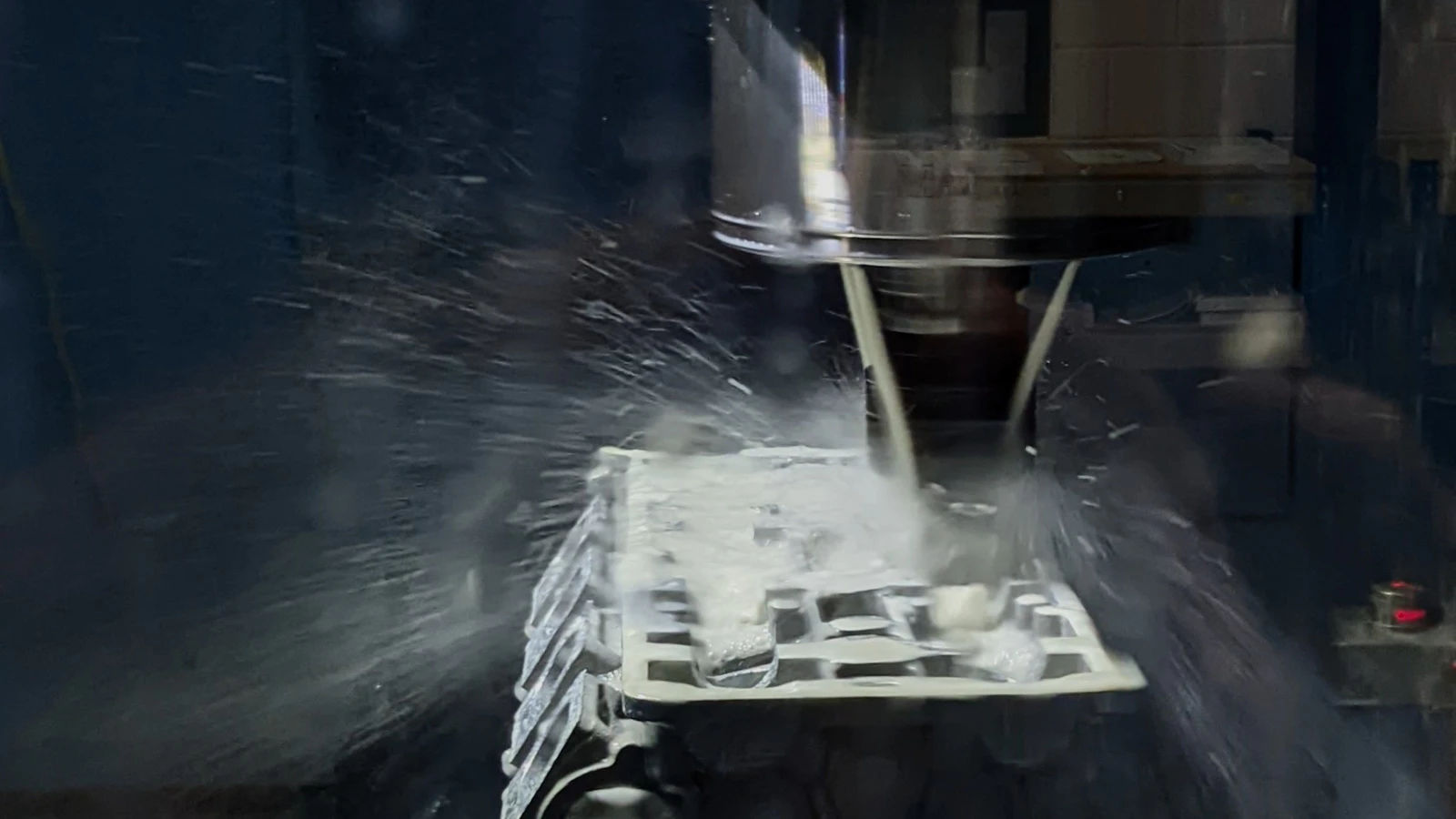
An engineering-approved machining sample is not automatically a production order. Keep technical feedback and the purchasing decision as separate milestones. Before you commit to production or request payment, ask the authorized buyer what’s still unresolved. Your CRM should show whether the next step is a revised sample, a commercial review, or an actual purchase order. Don’t mark every positive comment as won work.
Use with this guide
first-article communication handoff guide
The first-article communication handoff guide separates feedback roles and commercial decisions.
prototype payment transfer ledger
Review the prototype payment transfer ledger if an accepted production order needs a previous collection allocation.
Browse the complete machine shop guides and worksheets.
Retrieve the sample’s actual decision record
Match the sample to its order reference, version, and approved evaluation scope. Get feedback through the established customer contact route. A delivery acknowledgment only confirms its own event; it does not necessarily prove technical acceptance or production approval. Keep supporting documents in the controlled shop system, and record which role supplied each answer.
It is essential to clarify whether the feedback provided is about the version of the sample that was actually submitted or whether it relates to a proposed amendment. Feedback indicating that additional features are required will need to go through a full technical and commercial review process. The public worksheet is designed to be a simple means of tracking sample follow-up and should not contain drawings, tolerance information, or customers’ confidential test results. The first-article communication handoff guide separates feedback roles and commercial decisions.
Identify the purchasing question after technical feedback
Has the buyer approved a production quantity and purchasing timeline? Check with their permitted purchasing contact. Also ask whether there’s an approved route for commercial review. Engineering’s enthusiasm for a production order doesn’t authorize the office to pay a deposit, buy production materials, or book production slots. The production estimator and coordinator need to check this before anyone offers a price or commits to a delivery date for the office.
The sample follow-up sheet tracks the sample reference, evaluated version, technical feedback reference, purchasing decision status, requested next commercial action, review date and office owner. It doesn't assess technical conformance or calculate demand. Its job is to hand off the sample answer to the purchasing question, with a clear owner. Keep customer names and private feedback out of the public tool.
Read a fictional positive response without inflating sales
Say a fictional sample gets good engineering feedback on October 10. Purchasing still hasn’t approved a quantity or issued a production order. The CRM should record the technical feedback, with purchasing unresolved. Don’t call it a production win or a collected deposit. This isn’t a real customer story, a recommended purchasing timetable, or a claim about typical machining conversion rates.
If the buyer later wants a revised quote for 200 units, log the request and send it to estimating. A requested quantity isn't an accepted order. Keep any sample payment allocation separate from the new production proposal. Whether a reviewed credit applies depends on the actual prototype and production terms. Don't assume every sample payment automatically transfers.
Follow up with the relevant decision owner
Send a concise question tied to the unresolved milestone and current version. Use the buyer’s approved route and contact preferences. FTC guidance covers commercial email addresses, marketing requirements, and opt-outs; it is not permission for unrestricted SMS outreach. Avoid a blanket automation sending production promotions to every person copied on the sample discussion. Match each contact’s role to the actual task.
After the answer, update the supported stage and next owner. Keep open opportunities out of resolved win-rate calculations, and record a separate reason if the buyer declines production. Review recurring sample follow-up gaps to improve the commercial handoff, but don’t promise a template will raise conversion. The owner should know what the sample established, what purchasing has decided, and what remains unapproved. Review the prototype payment transfer ledger if an accepted production order needs a previous collection allocation.
Primary sources
BlueFinch last reviewed these sources on October 4, 2026. Payment rules and state requirements can change.
Use this page for general business information. It is not legal, tax, or accounting advice.