California disclosure evidence sheet
Track BAR-specific fee disclosure before the repair authorization decision.
No signup. Enter reference codes, add records and download a CSV. Entries stay in the browser tab. Filled fields do not establish completion, approval or compliance.
| Repair decision stage | Document or screen reference | Card-fee disclosure evidence | Pre-authorization check | Responsible staff role | Unresolved question |
|---|---|---|---|---|---|
| Counter sign | Sign-example-v2 | Payment options shown | Estimate still needs review | Advisor-role | |
| Written estimate | Estimate-example-v1 | Not ready for use | Office-role | Add and review fee disclosure before authorization |
- Starting rows are fictional. Use internal references, not personal or confidential records.
- Missing required fields stay visible. Filled fields do not prove approval, compatibility or legal compliance.
- Download the CSV to approved business storage. Reloading clears your browser edits.
- General SB 478 guidance does not replace BAR repair-specific requirements. This is not a complete repair-law checklist.
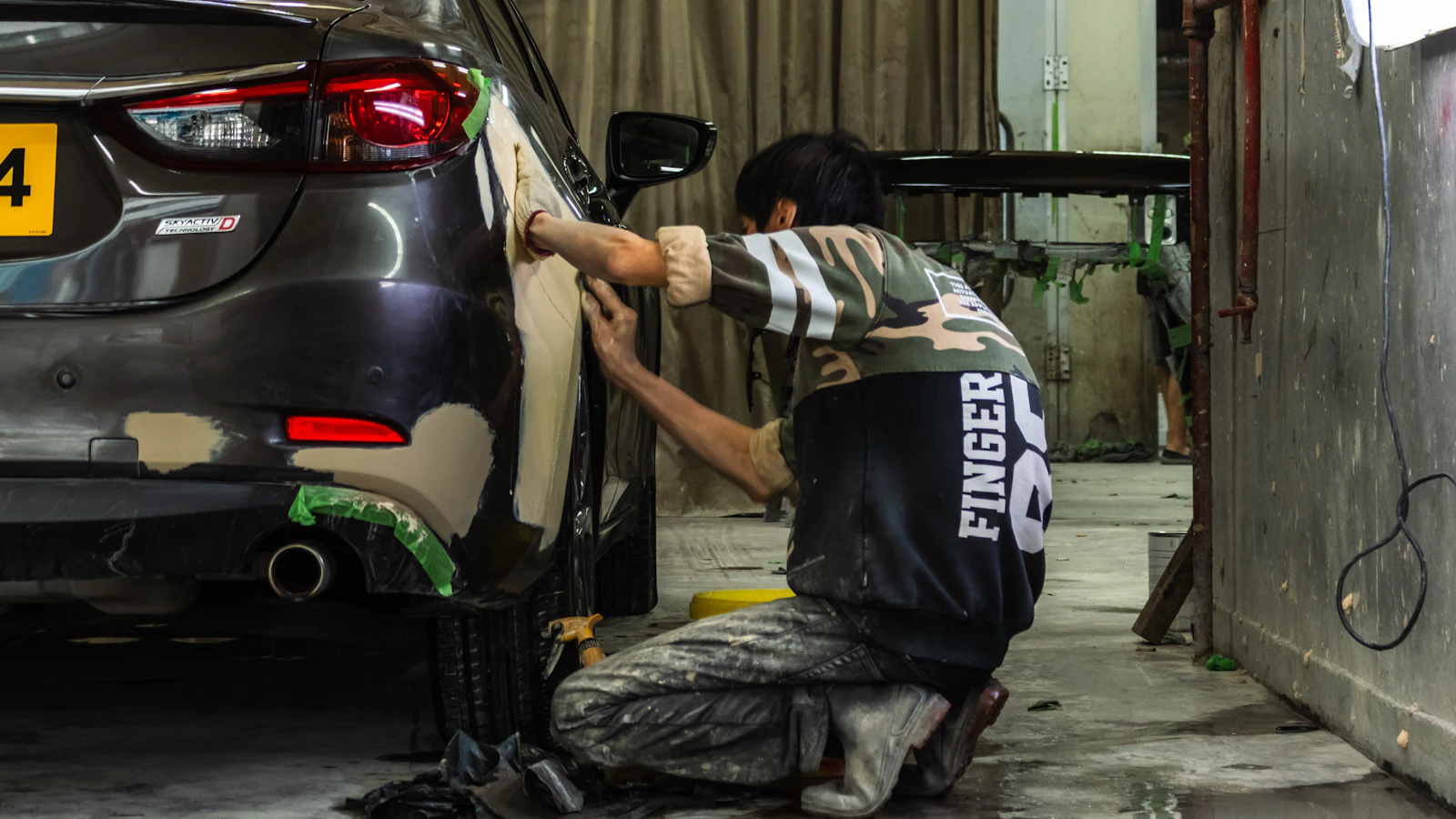
A California auto repair shop should review card-fee disclosures before obtaining repair authorization. A fee first appearing when the driver collects the vehicle creates a problem the terminal receipt does not resolve. Use the Bureau of Automotive Repair's repair-specific guidance alongside the state's general pricing materials. A retail payment sign is not a complete automotive disclosure process.
BAR's published repair-transaction guidance says credit-card processing fees must appear in advertising, price displays and estimates. It also says customers must be informed before the shop obtains authorization for repairs. Review the actual estimate and the sequence staff follow. Your payment setup needs to fit the repair transaction, not simply display a fee after the customer has already approved the work.
Use with this guide
payment-pricing model guide
Use the payment-pricing model guide to distinguish surcharge, cash discount and dual-pricing arrangements.
repair processor changeover
Include the repair processor changeover checklist when revising estimates, terminal setup and refund access.
Browse the complete auto repair guides and worksheets.
Check your own costs: calculate your effective processing rate or upload a merchant statement for analysis.
Distinguish BAR guidance from the general FAQ
The Attorney General's general SB 478 FAQ explains an avoidable card-processing fee is generally not mandatory when a customer has another payment method available. It treats card fees as mandatory if credit cards are the only accepted method. That general answer does not erase BAR's repair-specific instructions. Read both sources, then resolve questions about your exact automotive documents before launch.
Record the following on the disclosure evidence sheet: the document or screen where you found the disclosure, the price reference, your review of the disclosure, the check at the time of authorization for repairs, and any issues that remain unresolved. Export the completed register from the worksheet to save to your computer. A completed row does not itself establish that disclosure is provided as required by law. Use fictional or internal record references. Keep customer names, bank account numbers and credit card numbers off the public tool. Use the payment-pricing model guide to distinguish surcharge, cash discount and dual-pricing arrangements.
Sources for this section: California BAR: repair transaction fee disclosures · California Attorney General: SB 478 hidden-fee FAQ
Trace advertising into repair authorization
Begin by verifying the advertised prices for services listed on the shop’s web site, printed advertisements, counter signs and packages. Compare the advertised price with the payment price listed on the estimate given to customers to approve repair work. Ask your credit card processor and/or a qualified consultant to review your proposed marketing material and confirm that all advertised prices will be clearly disclosed and noted on all estimates prior to approval by customers for repair work.
Next, inspect repair authorization. BAR describes providing an estimate, obtaining approval before repairs and issuing the final invoice. Record which estimate version the customer approved and where the applicable payment information appeared. If the work or amount changes, follow the required additional authorization process. A payment receipt does not establish authorization for a repair the customer never approved.
Sources for this section: California BAR: repair transaction fee disclosures
Inspect missing and remote disclosures
For a fictional test, the counter sign contains the payment choices but the written estimate omits the card-fee information. The evidence sheet leaves the estimate row unresolved. The next action is to revise and review the estimate before use. The test does not decide whether an existing customer owes an extra amount or retroactively authorize a price difference.
Test the remote path separately. A customer approving repairs by phone might receive an emailed estimate and an online invoice. Confirm the required disclosure is present before the authorization decision, not only inside the payment link opened later. Keep the template version and review date beside the process notes so staff do not send an outdated saved document.
Keep other repair charges separate
Verify the payment program with the acquirer. A surcharge, a cash discount and approved dual pricing have different requirements. Debit and prepaid transactions must not receive a credit-card surcharge. Confirm card classification and the treatment of wallets, online payments and refunds. A device working at the counter does not establish every remote collection uses the same approved setup.
Keep card-fee review separate from other repair charges. BAR's guidance addresses electronic transmission fees, hazardous-waste charges and restrictions on generic shop-supplies or miscellaneous fees. Do not combine unrelated expenses into a vaguely named payment adjustment. Identify the actual charge and supporting requirement. This worksheet is not an exhaustive repair-law checklist or an invoice tax calculator. Include the repair processor changeover checklist when revising estimates, terminal setup and refund access.
Sources for this section: California BAR: repair transaction fee disclosures · Visa: merchant surcharge requirements
Save the reviewed customer documents
BlueFinch reviews processing arrangements with owner-run shops, including remaining merchant charges and the approved customer-price setup. Bring your estimate, authorization process and invoice templates to the account review. Neither a supplied sign nor a zero merchant-rate offer proves your documents comply. The cited sources were reviewed for this article, and unresolved questions about your precise setup need qualified review.
Save the approved templates and evidence register for future reference. Role play a fictional order going through the shop for advertising, estimating, authorizing and paying for services. The advisor should review the same versions of templates and evidence register that you review and have a point of contact should you have any exceptions or future changes to software or pricing that need to be reviewed and checked as well.
Primary sources
BlueFinch last reviewed these sources on October 4, 2026. Payment rules and state requirements can change.
- California BAR: repair transaction fee disclosures
- California Attorney General: SB 478 hidden-fee FAQ
- Visa: merchant surcharge requirements
Use this page for general business information. It is not legal, tax, or accounting advice.