Collision dispute submission register
Track the real notice deadline, selected evidence and provider confirmation.
No signup. Enter reference codes, add records and download a CSV. Entries stay in the browser tab. Filled fields do not establish completion, approval or compliance.
| Internal dispute reference | Original transaction reference | Stated dispute reason | Actual notice deadline | Evidence owner role | Final submission status | Provider confirmation reference |
|---|---|---|---|---|---|---|
| Dispute-example-7 | Customer-payment-example | Read actual notice | October 22, fictional example | Payment-administrator-role | Review needed |
- Starting records are fictional examples, not merchant evidence.
- Keep private documents and actual contacts in your approved business system. Use internal reference codes here.
- Missing required fields indicate an unresolved record. Filled fields do not prove authorization, completion, compatibility or compliance.
- Export to approved business storage. Browser edits are cleared on reload.
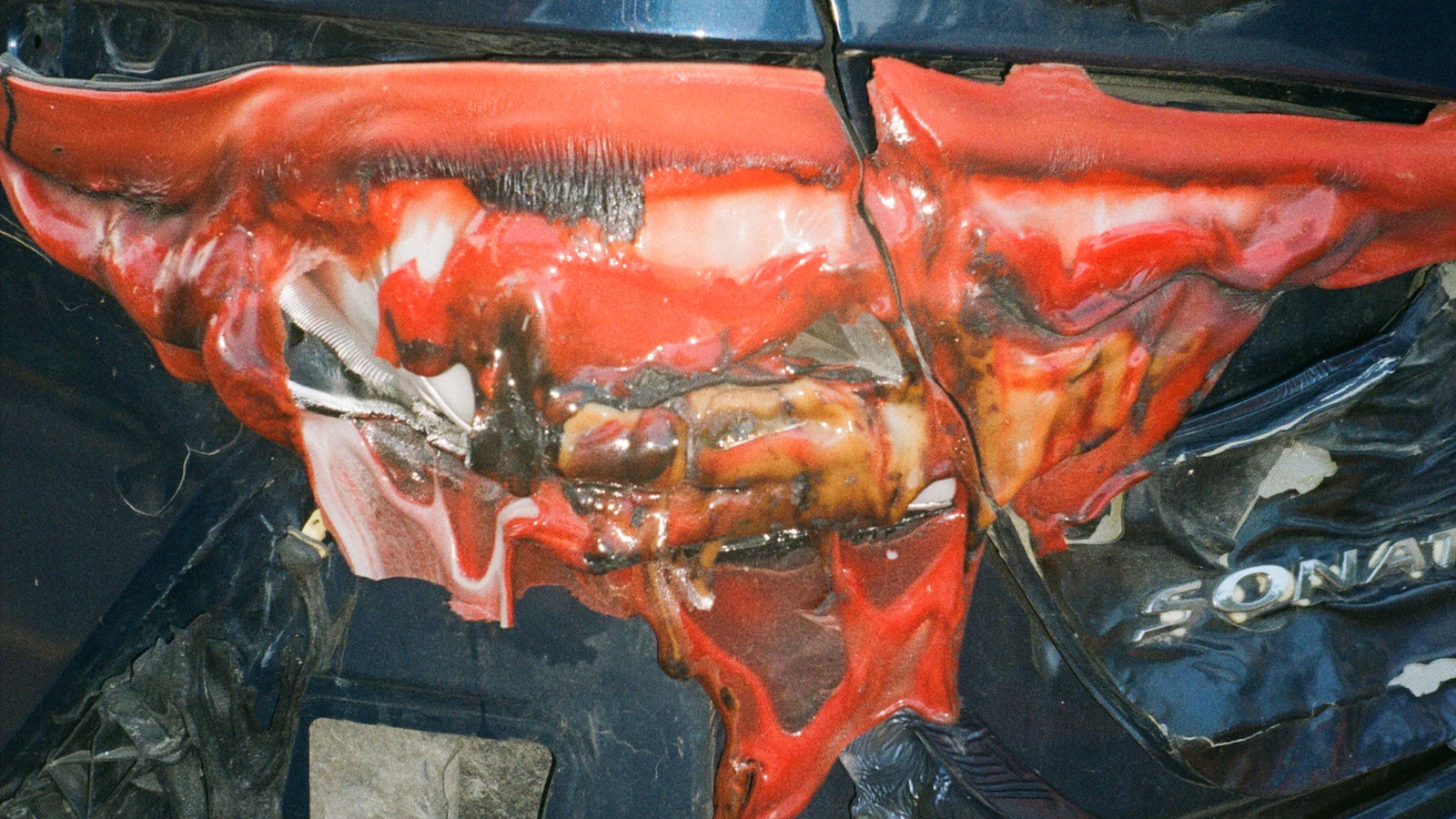
Start a body-shop chargeback review with the actual dispute notice. Record the response deadline, disputed collection and person responsible for submission. A repair file full of photos does not answer every payment dispute. Select records addressing the stated reason, protect private claim information, and confirm the provider received the response before closing the office task.
Use with this guide
collision deposit and dispute guide
The collision deposit and dispute guide provides the wider collection context for the response.
overlapping-payment allocation register
Check the overlapping-payment allocation register if insurer and customer collections complicate the disputed amount.
Browse the complete auto body guides and worksheets.
Identify the collection and stated reason
Match the disputed transaction to the repair invoice and payer. A customer deductible payment, insurer virtual-card collection and customer-pay upgrade should have distinct references. Do not assume the disputed amount is the entire repair bill. Retrieve the reason and stage from the payment provider notice. A preliminary inquiry and a formal dispute might require different actions through the account you use.
Note the date and time as stated in the notice, including the time zone if stated. A response timing note as found in another payment processor article is not a substitute for the actual information found in a notice (e.g. Stripe’s dispute response timing varies). The information found here is for Stripe’s process only. The collision deposit and dispute guide provides the wider collection context for the response.
Sources for this section: Stripe: dispute deadlines and final evidence submission · Stripe: refund destinations, funding, statuses and failures
Choose evidence from the repair and payment records
Assign the estimator to retrieve accepted scope, supplement approvals and delivery records relevant to the dispute. Assign the payment administrator to retrieve the collection reference and communication history. An insurer approval does not necessarily establish customer authorization for a separate charge. Keep the source of each approval clear so the response does not imply one party agreed to another party’s payment obligation.
The submission register includes the internal dispute reference number, the transaction reference number, the reason for the dispute, the actual deadline for the submission, who is responsible for the evidence, the status of the submission and the confirmation reference number. Note that this is a worksheet to help with the handoff, not to store the repair file. The repair file with all photos, agreements, etc. must be stored in restricted storage as permitted by your company.
Review the package before the final submission
Ask a second authorized reviewer to compare the selected records with the stated reason. Remove irrelevant private information and check the provider’s permitted formats and limits. A long repair history might distract from the authorization or service question being reviewed. Describe what the record shows without inventing a customer conversation, completion date or signature missing from the file.
For a fictional task, a notice lists an October 22 response deadline and the office assigns an October 20 internal review. Those dates are examples, not recommended provider deadlines. The earlier internal target leaves a review interval without changing the actual notice requirement. If the required evidence is missing, record the gap and obtain provider guidance instead of silently marking the response ready.
Keep submission distinct from the dispute outcome
In Stripe’s Dashboard process, submitted evidence cannot be edited after the final submission. Follow the actual account’s instructions before pressing its final action. Record the confirmation and status from the provider. A prepared folder, saved draft or emailed internal summary is not proof of a completed submission. Do not issue a separate refund during an unresolved dispute without checking the supported procedure.
Next review the outcome of the dispute, update your records on the status of the collection(s) and perform any required reversal(s) plus applicable fees. This does not necessarily mean you won the dispute. Develop cases to reiterate proper authorization for repairs and payment. These can improve your office for approval and payment of future repair work. Check the overlapping-payment allocation register if insurer and customer collections complicate the disputed amount.
Sources for this section: Stripe: dispute deadlines and final evidence submission · Stripe: refund destinations, funding, statuses and failures
Primary sources
BlueFinch last reviewed these sources on October 4, 2026. Payment rules and state requirements can change.
- Stripe: dispute deadlines and final evidence submission
- Stripe: refund destinations, funding, statuses and failures
Use this page for general business information. It is not legal, tax, or accounting advice.